Roof Leak Repair in Austin, TX
Fast Help For Stressful Roof Leaks
When water starts dripping from your ceiling or you notice a spreading stain after a storm, it is hard to think about anything else. A roof leak can damage drywall, flooring, insulation, and belongings if it is not handled quickly. At Hargrove Roofing - Austin, we focus on finding and fixing leaks so you can protect your home and get back to normal.
Austin homeowners deal with intense weather throughout the year. Heavy rain, hail, strong winds, and long stretches of heat can all wear down roofing materials faster than many people expect. A small issue that goes unnoticed today can quickly lead to interior water damage during the next storm. That is why our team responds with a sense of urgency and takes the time to identify the real source of the leak instead of covering symptoms with a quick temporary patch.
Need roof leak repair in Austin? Call (737) 378-8393 or message us online today!
When you contact us, we explain what to expect from the inspection and repair process from the very beginning. You will not be left wondering why the leak happened or what repairs your roof actually needs. Our goal is to make the process straightforward, practical, and far less stressful while helping you protect your home from additional damage.
How We Handle Active Roof Leaks
If water is actively getting inside your home, you need more than a vague promise of help. You need a team that can identify the problem, explain the next steps clearly, and move quickly to reduce further damage. At Hargrove Roofing - Austin, we begin every roof leak call by gathering information about what you are seeing inside the home. We ask where the leak appears, whether the issue happens during specific weather conditions, and how long the problem has been going on.
Once we arrive, we usually begin the inspection inside the property. Ceiling stains, attic moisture, damp insulation, and water trails often provide valuable clues about where the problem started. Water rarely travels in a perfectly straight line from the roof to the ceiling below, so we take the time to follow those signs carefully before moving outside.
After the interior inspection, we check the roof surface and surrounding components. We inspect shingles, flashing, vents, skylights, valleys, pipe boots, chimneys, and transition areas where different roofing materials meet. These spots often develop leaks first because they experience more movement and exposure during storms.
Once we locate the likely entry point, we explain what we found in plain language. We show you damaged areas whenever possible and discuss practical repair options based on the condition of your roof. In many cases, we can complete repairs during the same visit if weather and materials allow. Our focus stays on creating a durable repair that helps prevent the leak from returning during the next storm.
Common Causes Of Roof Leaks In Austin
Roof leaks develop for many different reasons, but weather plays a major role in this area. Strong storms can lift shingles, blow debris across the roof, and push rain into vulnerable openings around flashing and roof penetrations. Hail can weaken shingles by cracking or bruising their protective surface, while intense sunlight gradually dries out sealants and rubber materials over time.
Many Austin homes feature asphalt shingle roofing, although metal, tile, and low slope roofing systems also appear throughout the area. Each roofing type has its own common trouble spots. Asphalt shingles often leak near valleys, vents, chimneys, and wall intersections. Metal roofs may develop issues around exposed fasteners or flashing transitions. Tile roofs sometimes leak when underlayment ages or cracks allow water beneath the tile surface.
We also see leaks caused by aging roof components that homeowners cannot easily spot from the ground. Pipe boots can crack after years of sun exposure. Flashing can separate from walls or chimneys. Sealants around skylights and vents may shrink or split. In some cases, previous repairs completed with incompatible materials or excessive roofing cement create new weak points instead of solving the original issue.
Some leaks only appear under very specific weather conditions. Wind driven rain from one direction may expose a vulnerable section of the roof that stays dry during lighter storms. That is why we ask detailed questions about the weather when the leak occurred. Those details often help narrow down the inspection area and speed up the repair process.
Our Approach To Roof Leak Repair
At Hargrove Roofing - Austin, we believe a successful repair starts with a careful inspection. Simply patching the visible water spot inside the home rarely solves the actual problem. Water can travel through roof decking, insulation, rafters, and attic spaces before it finally appears on a ceiling or wall.
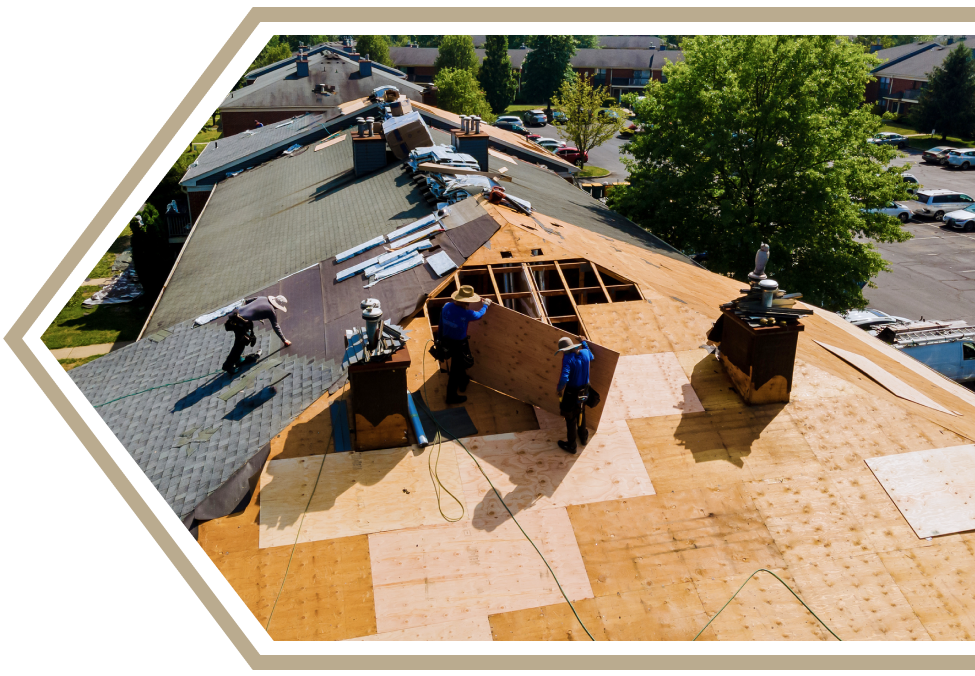
Once we identify the true source of the leak, we choose repair methods that fit your roof system and current condition. On asphalt roofs, this may involve replacing damaged shingles, installing new underlayment, repairing flashing, or correcting improperly sealed penetrations. On metal or tile roofs, we may replace damaged flashing, reseal vulnerable areas, tighten fasteners, or repair cracked components.
We also explain when a repair makes sense and when a larger section of roofing may need attention. Factors such as roof age, repeated patching, storm damage history, and surrounding material condition all influence our recommendations. We want you to understand the reasoning behind every repair option so you can make decisions that fit both your home and your budget.
When you choose us for roof leak repair Austin homeowners can expect:
- Clear explanations about what caused the leak
- Detailed inspections inside and outside the home
- Repair materials selected to work with your existing roof
- Straightforward communication throughout the process
- Practical recommendations for reducing future leak risks
- Attention to nearby roofing areas that may become vulnerable later
Our goal is not just to stop the current leak. We also want to help you avoid repeat problems that could lead to additional interior damage later.
Warning Signs Your Roof May Already Have A Leak
Some roof leaks announce themselves with dripping water during a storm, but many begin quietly long before water becomes obvious inside the home. Recognizing early warning signs can help reduce the extent of damage and limit repair costs.
Homeowners often notice yellow or brown ceiling stains first. Paint bubbles, peeling drywall texture, or damp attic insulation may also point toward a roofing issue. In some homes, musty odors appear before visible water damage develops. Outside, missing shingles, lifted flashing, clogged valleys, or loose roofing materials can all create openings where water enters the system.
Other common warning signs include:
- Water stains around vents or skylights
- Sagging ceiling sections
- Granules collecting in gutters
- Mold growth near attic framing
- Drips appearing only during heavy storms
- Dark streaks running down interior walls
If you notice any of these issues, scheduling an inspection sooner rather than later often helps prevent larger repairs.





What To Do When You Discover A Roof Leak
Seeing water inside your home can feel overwhelming, especially during severe weather. While waiting for our team to arrive, there are several steps you can take to help reduce interior damage safely.
Move furniture, electronics, rugs, and valuables away from the affected area if possible. Place buckets or containers under active drips to catch water and protect flooring. Towels or plastic sheeting can help contain smaller leaks temporarily.
If you notice a bulging bubble in ceiling paint or drywall, some homeowners carefully puncture the center to release trapped water into a bucket. This can help prevent a larger section of ceiling from collapsing, although you should only attempt this if you feel comfortable doing so safely.
You should also document visible damage with photos or videos. These records may help during insurance conversations and can provide useful information during our inspection.
Before we arrive, you can usually help by:
- Moving belongings away from leaking areas
- Catching water with buckets or towels
- Taking photos of visible damage
- Monitoring when the leak appears during storms
- Staying away from wet electrical fixtures
- Avoiding climbing onto the roof yourself
Wet roofing surfaces become extremely slippery during storms, and hidden structural damage can make walking on the roof dangerous. It is far safer to let trained professionals handle the inspection.
-
 Scott "Coach" Abernathy Branch President
 -
Isabella Roman Company Recruiter


Frequently Asked Questions About Roof Leak Repair In Austin, TX
How quickly can you respond to a leaking roof?
We work to schedule leaking roof inspections as quickly as possible, especially when water is actively entering the home. Response times depend on weather conditions, scheduling availability, and storm demand, but we always communicate realistic timelines clearly when you call.
Can a small roof leak really cause major damage?
Yes. Even a small leak can lead to damaged insulation, stained ceilings, mold growth, warped wood, and weakened drywall over time. Water often spreads farther than homeowners realize before visible signs appear inside the house.
Do roof leaks always mean I need a full roof replacement?
No. Many leaks can be repaired successfully without replacing the entire roof. During the inspection, we evaluate the age and condition of the roofing system and explain whether a focused repair or a larger project makes more sense.
What areas of the roof leak most often?
Leaks commonly develop around flashing, vents, skylights, chimneys, valleys, and roof transitions. These areas experience more movement and weather exposure than open shingle sections.
Can hail damage cause leaks months later?
Yes. Hail can weaken shingles and roofing materials without creating an immediate visible leak. Over time, damaged areas may deteriorate further and eventually allow water inside during future storms.
Will homeowners insurance cover roof leak repairs?
Coverage depends on your policy and the cause of the damage. Storm related damage may qualify for coverage in some situations. Wear from age or lack of maintenance may not. We recommend speaking with your insurance provider for details about your specific policy.
How long does a roof leak repair usually take?
Some repairs can be completed during a single visit, while larger or more complex issues may take longer. The timeline depends on roof type, weather conditions, material availability, and the extent of damage.
Can clogged gutters contribute to roof leaks?
Yes. Blocked gutters can cause water to back up under shingles or overflow near roof edges. Keeping gutters clear helps direct water away from vulnerable roofing areas.
Is it safe to stay in the house during a roof leak?
In many situations, yes, but caution is important. Stay away from areas where water contacts electrical fixtures, ceiling fans, or outlets. If ceilings begin sagging heavily, avoid standing beneath them.
How can I reduce the chance of future roof leaks?
Regular roof inspections, prompt repairs, gutter cleaning, and replacing damaged roofing materials early can help reduce leak risks. Addressing small issues quickly usually prevents larger repairs later.
Need roof leak repair in Austin? Call (737) 378-8393 or message us online today!